

Solutions Architect
System design and cloud strategy.

A strategic modernization initiative that converted a mission critical desktop database into a secure, scalable web platform.
Overview
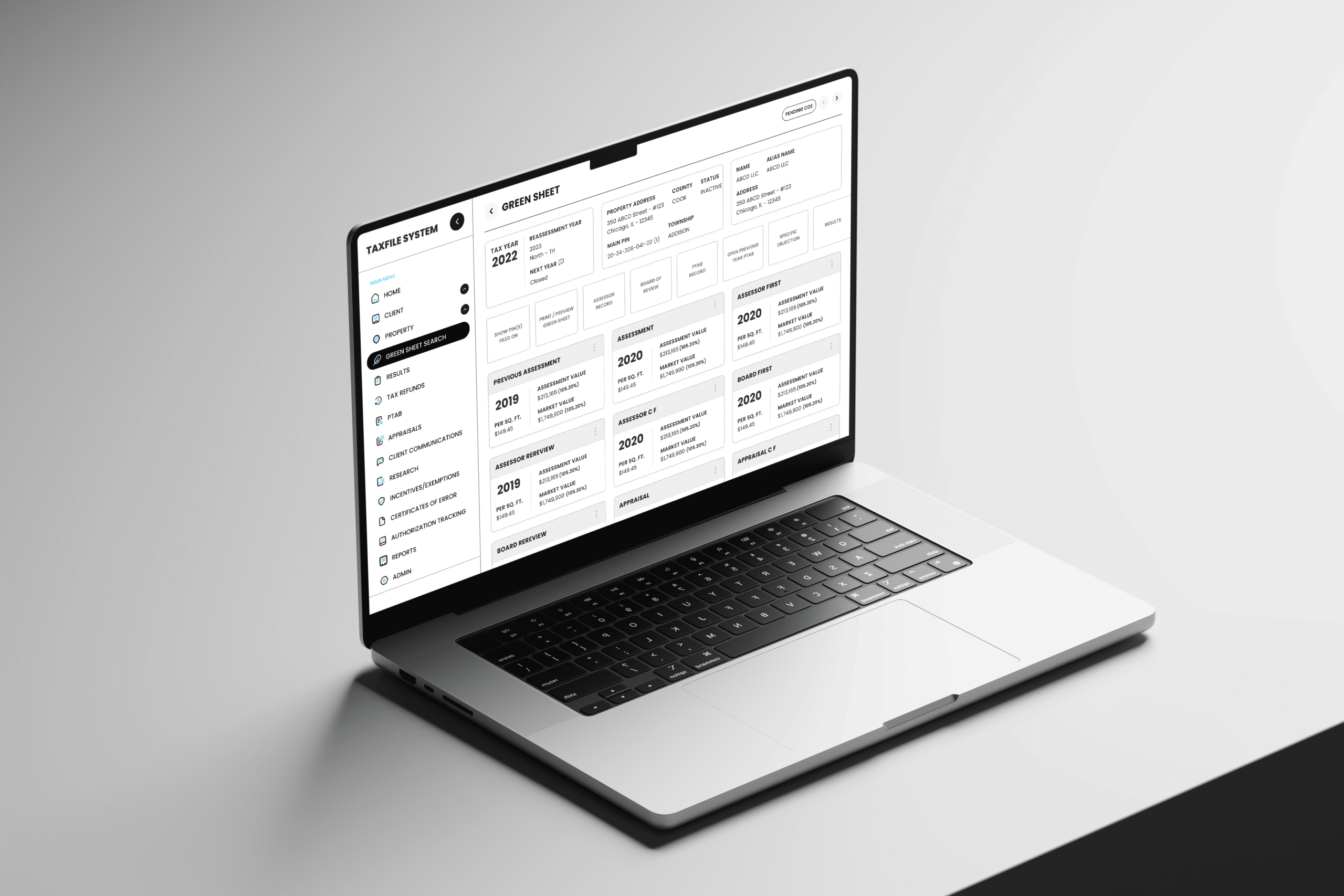
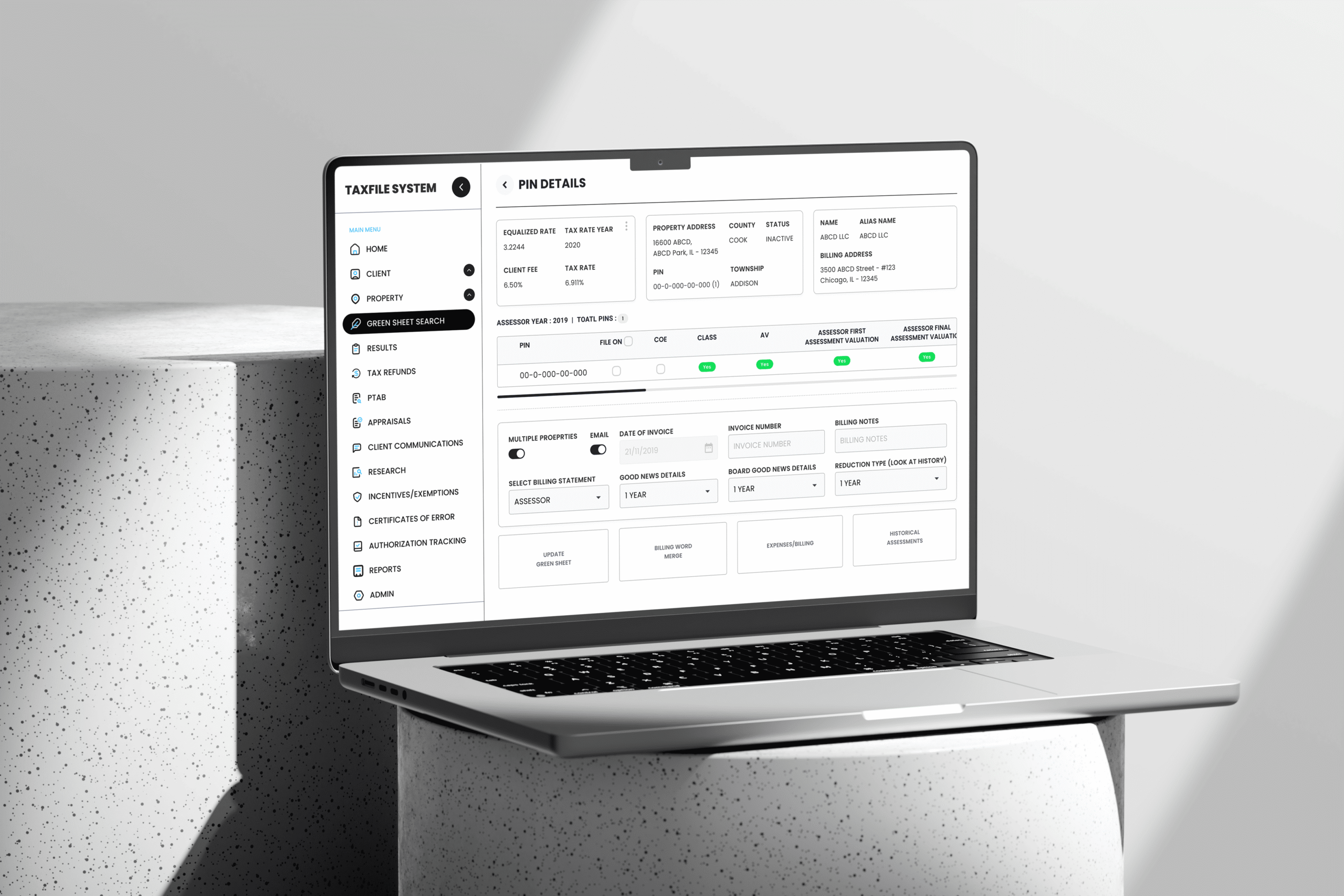
Critical business logic was buried in undocumented VBA code, with no single owner of complete system knowledge requiring detailed analysis and reverse engineering.
The organisation lacked structured development processes and a clear cloud strategy, requiring guidance on architecture, scalability, and phased implementation.
The new platform had to run alongside the legacy system to ensure smooth adoption and minimize operational disruption.
Testing resources were limited, making structured test planning, automation, and guided UAT essential.
An information-dense Access-based platform constrained by performance limitations, poor maintainability, and lack of scalability.
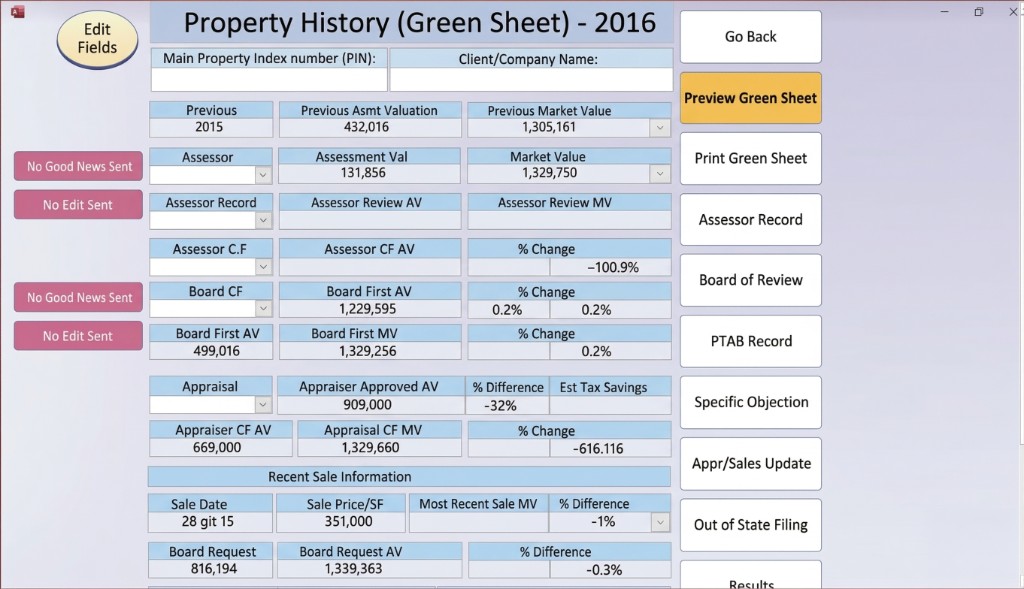
Microsoft Access (Old System)
We documented end-to-end user journeys and translated them into detailed functional maps. This exercise played a pivotal role in:
The functional map became the blueprint for modernization.
Through collaborative Figma workshops, we redesigned and validated every major screen before development began — aligning stakeholders early and minimizing rework.
Modular screens—validated in design before build.
Rather than attempting a "big bang" migration, we adopted a phased rollout strategy:
This approach allowed measurable progress without disrupting operations.
We implemented structured sprint cycles with:
This ensured alignment, predictability, and controlled scope evolution throughout the modernization journey.









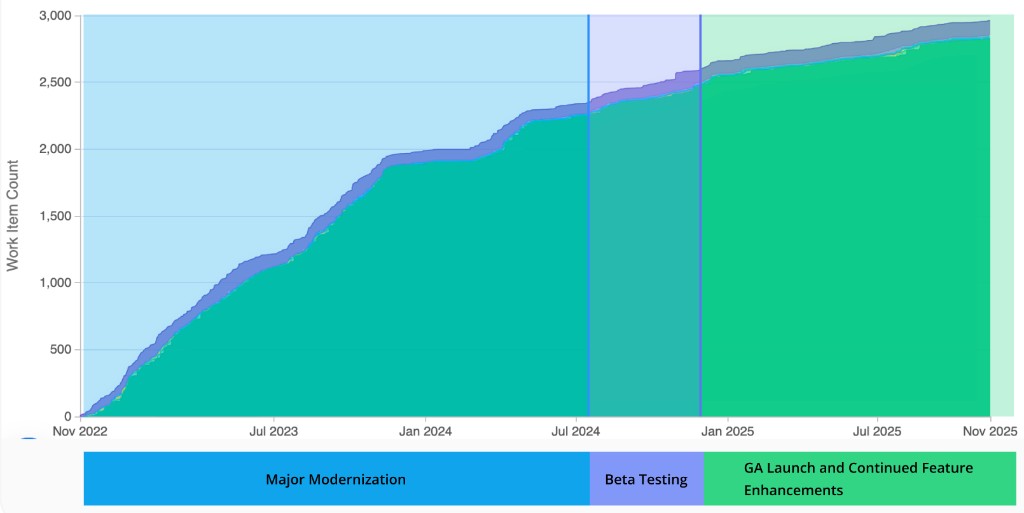
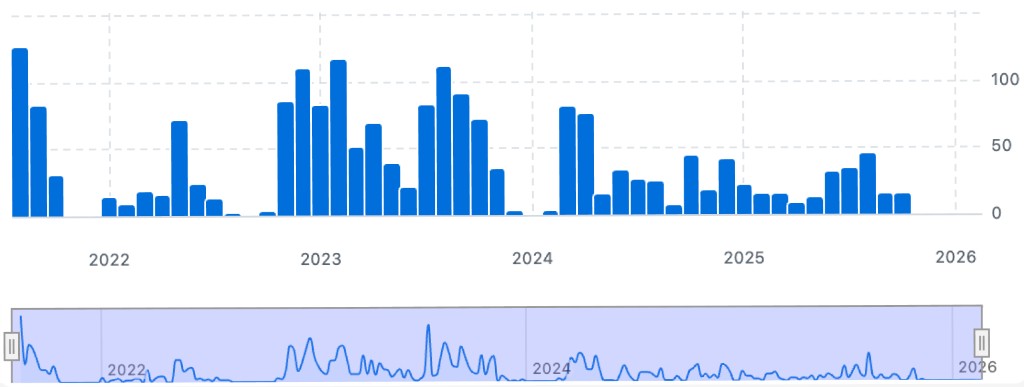
Over four years post-deployment, Aptlylabs delivered 3,000+ JIRA-tracked enhancements and fixes to continuously align the platform with evolving operational needs.
Sustained Development Momentum
Code Frequency
Additions and deletions per week
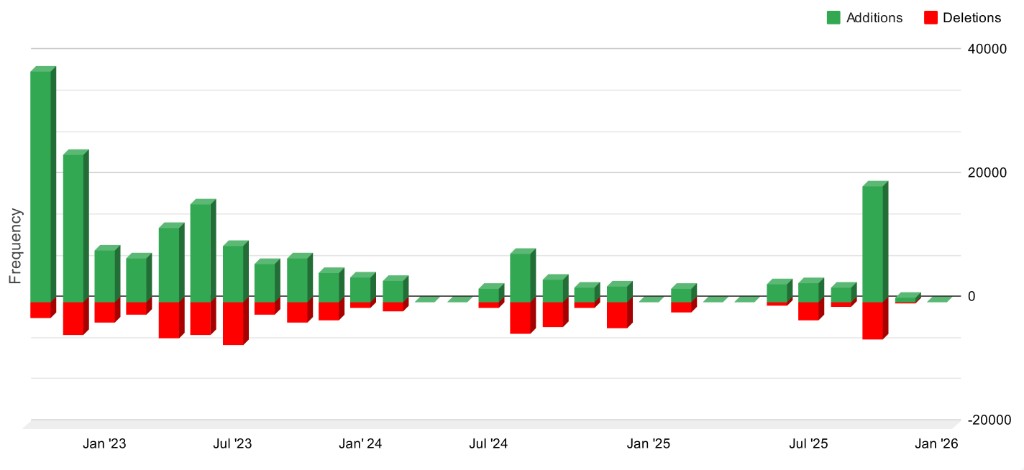
Active development across repositories shows sustained commit momentum over multiple years—reflecting innovation, rigorous maintenance, and ongoing investment in strengthening and expanding the platform's capabilities.
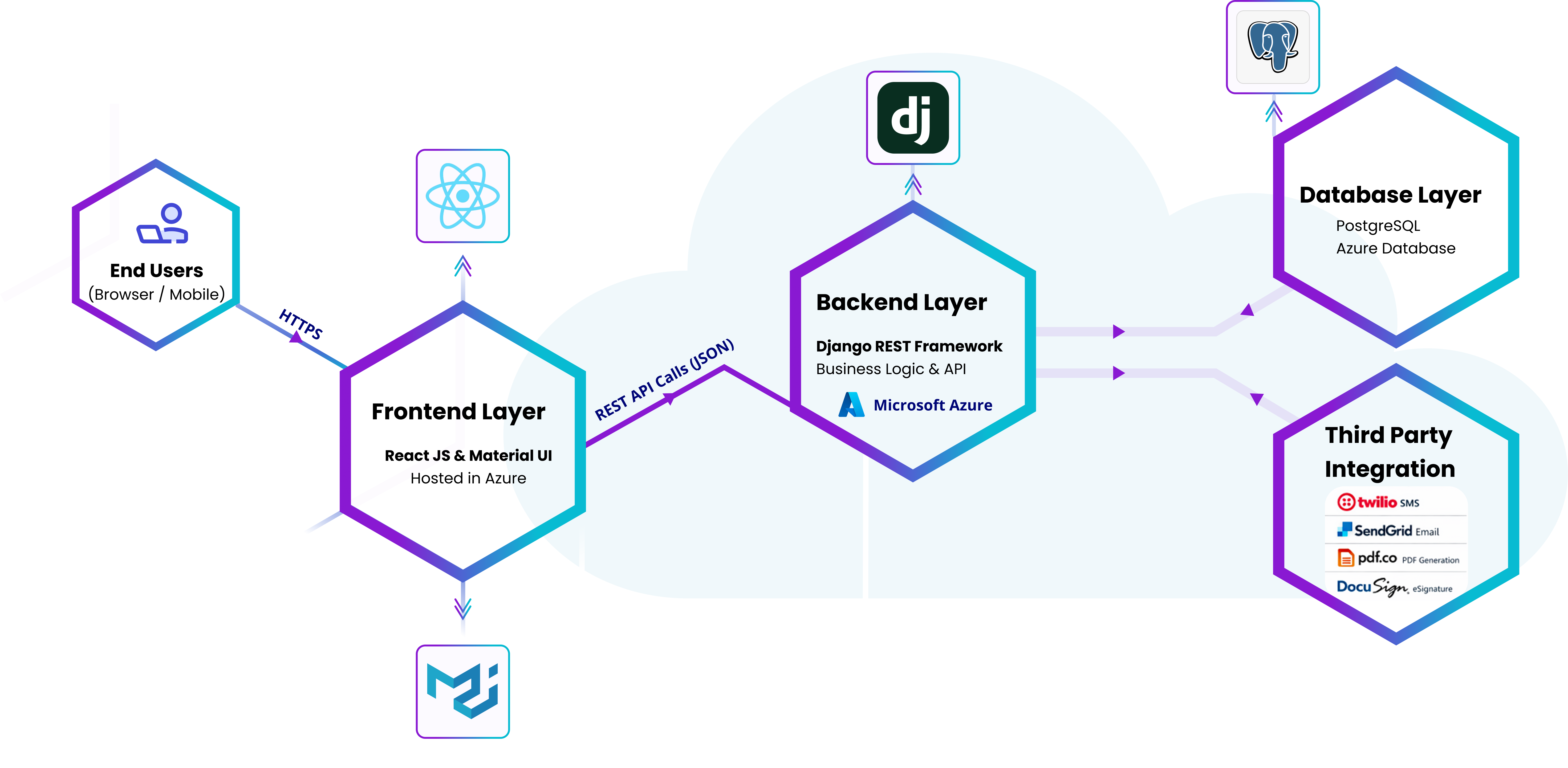
Delivery
During the first year following deployment, the new platform was introduced primarily to senior staff, allowing the organization to validate workflows and build confidence through controlled adoption. Within the following year, usage expanded firm-wide as teams recognized the efficiency and accessibility benefits. By the third year, the legacy Microsoft Access system was fully decommissioned.
This measured, low-disruption transition enabled the firm to move smoothly from limited reliance on a desktop-bound database to a fully functional, web-based application accessible across laptops and tablets.
Improved system performance and reliability across all operations
Secure access for distributed teams from any location
Foundation for continued growth and future digital initiatives
The organization successfully evolved from a fragile, constrained system into a secure, centralized, and future-ready platform that supports modern legal operations. The transformation elevated the application from a tactical tool to a strategic digital asset — reducing operational risk, improving collaboration, and positioning the firm for long-term scalability and innovation.
For organizations facing similar legacy constraints, modernization is not merely a technical upgrade; it is an investment in operational resilience and future competitiveness.